

Полное руководство по выбору кожаной сумки: 12 вещей, на которые следует обратить внимание перед покупкой.
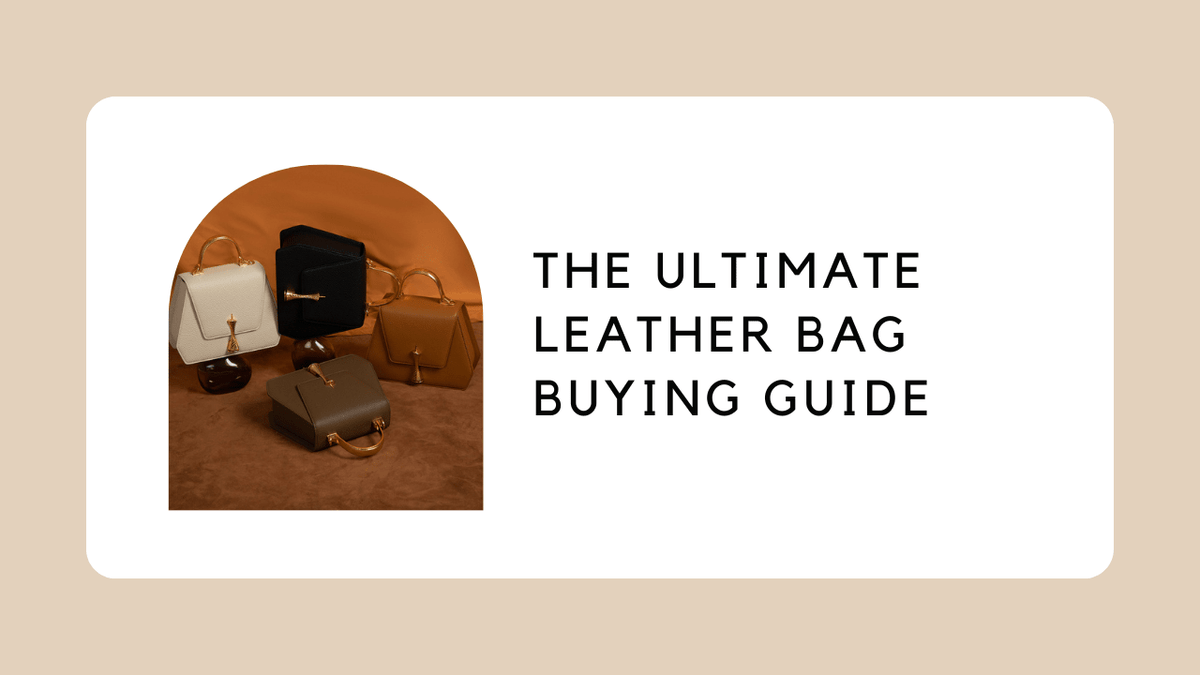
Качественная кожаная сумка может стоить от 100 до 3000 долларов. И вот неприятная правда: две сумки по одной и той же цене могут сильно отличаться по качеству. Одна будет выглядеть лучше через десять лет, чем сегодня. Другая же облезет к следующей зиме.
Мы годами занимаемся изготовлением кожаных сумок и разобрали бесчисленное количество сумок — некоторые, чтобы чему-то научиться, некоторые, чтобы понять, что пошло не так. В этом руководстве собрано все, что мы знаем о покупке кожаной сумки, которую вы будете любить и через десять лет, в виде двенадцати пунктов, которые вы действительно можете использовать в магазине или на странице товара.
Это не рекламная презентация. Мы не упомянули название ZORNNA в самих рекомендациях по покупке и оставили историю бренда на конец. То, что вы прочитаете ниже, будет полезно независимо от того, купите вы у нас или нет — потому что только хорошо информированный клиент достоин нашего внимания.

Что содержится в этом руководстве?
- Часть 1 — Сорта кожицельнозернистый, высококачественный, натуральный, склеенный, и что на самом деле означает каждый из них.
- Часть 2 — Настоящее или подделка?семь испытаний, которые решают всё за десять минут
- Часть 3 — Стили сумок: подбирайте форму в соответствии с вашей реальной повседневной жизнью
- Часть 4 — СтроительствоШвы, фурнитура, подкладка — детали, от которых зависит долговечность изделия.
- Часть 5 — Расчеты цен: сколько вы должны заплатить, и расчет, который, как надеются продавцы, вы никогда не будете производить.
- Часть 6 — Уход и хранение: пять минут в месяц, которые продлевают срок службы сумки на годы.
- Часть 7 — Контрольный список из 12 пунктовРаспечатайте, сделайте скриншот, возьмите с собой в магазин.
Часть 1 — Классификация кожи: четыре слова, которые решают всё.
Каждая шкура состоит из двух слоев. Верхний слой, представляющий собой естественную поверхность кожи, — это... зерноНижний слой — это расколоть — более рыхлая, пушистая, слабая. От того, откуда берется кожа в этой стопке, зависит практически все, как она будет стареть.
| Оценка | Что это такое | Какой возраст? | Справедливая цена (сумка) |
|---|---|---|---|
| Цельнозерновой | Весь верхний слой, текстура древесины нетронута. | Покрывается богатой патиной. | 250 долларов и выше |
| Верхнее зерно | Верхний слой слегка отшлифован для гладкости. | Очень хорошо, немного меньше характера. | от 150 долларов США |
| Подлинный | Натуральная кожа, нижняя часть лестницы; часто шлифованная, покрытая, с тиснением. | В течение многих лет покрытие может оставаться в хорошем состоянии, но со временем оно может потрескаться. | 80–150 долларов |
| Связанный | 10–20% обрезков кожи + полиуретановое связующее | Отслаивается, часто в течение 2 лет. | Меньше 80 долларов (и это все равно слишком много) |

Две ловушки, которых следует избегать. Во-первых, «натуральная кожа» — это настоящая кожа, но самого низкого качества, поэтому не стоит платить за неё деньги, как за кожу высшего сорта. Во-вторых, «веганская кожа» — это вовсе не кожа высшего сорта. Это полиуретан или ПВХ. Пластик. Возможно, это вполне подходящий материал для сумки за 40 долларов, но ничто в нём не оправдывает высокую цену.
Хотите увидеть полный список оценок по каждому классу, с фотографиями, показывающими, как меняется каждый класс с возрастом? Мы написали подробную статью именно об этом: Натуральная кожа высшего качества, кожа высшего сорта или склеенная кожа: что лучше для сумок?
Часть 2 — Правда или вымысел? Разберитесь за десять минут.
Современные синтетические материалы хороши. Достаточно хороши, чтобы обмануть фотографию, достаточно хороши, чтобы обмануть беглое прикосновение в полумраке магазина. Но они все равно не могут скопировать все, потому что кожа — это натуральный материал, а пластик — нет.
Самые быстрые проверки, в порядке убывания объема предоставляемой информации:
- Запах — Натуральная кожа имеет мягкий, землистый аромат; синтетические материалы пахнут химическими веществами или слишком сильными духами.
- Зерно — Настоящие поры имеют неправильную форму, как кожа; на рельефных подделках поры повторяются, как обои.
- Капля воды — Натуральная кожа медленно впитывает влагу и темнеет; пластик собирает ее в капли.
- Нажатие большим пальцем — Натуральная кожа мнётся, темнеет и восстанавливает форму; пластик же либо не мнётся, либо навсегда покрывается складками.
- Необработанный край — Самый надежный способ проверки: край натуральной кожи волокнистый, как замша; подделки имеют тканевую подкладку или изготовлены из твердого пластика.

Каждый тест занимает менее двух минут, и для его прохождения не требуется никаких дополнительных инструментов. Мы собрали все семь тестов — с подробным описанием того, как выглядит «пройдено», а как «не пройдено» — в одной статье: Как отличить настоящую кожаную сумку: 7 домашних тестовЕсли вы сейчас держите в руках сумку и сомневаетесь, начните с этого.
Часть 3 — Какой стиль подходит именно вам?
Качество и подлинность имеют значение, но сумка также должна соответствовать вашему образу жизни. Три модели, которые люди покупают чаще всего, по честной оценке:
| Стиль | Создано для | Компромисс |
|---|---|---|
| тотализатор | Ноутбуки, портативные компьютеры, рабочие дни, дорожная ручная кладь | Тяжелые кожаные сумки становятся еще тяжелее, когда наполнены; освободить руки невозможно. |
| Кроссбоди | Поездки на работу, выполнение поручений, дни с детьми, прогулки по городу. | Ограниченная вместимость; планшеты маленьких размеров не поместятся. |
| Сумка | Офисная элегантность, встречи, структурированная повседневная стильность | Структурированность означает меньшую гибкость; неформальные выходные могут казаться скованными. |

Одно правило, которое предотвращает больше сожалений, чем любое другое: Покупайте то, что вам нужно на один день в неделю, а не то, что выпадает вам два раза в год по особому случаю. Эффектный вечерний клатч — это вторая сумочка. Первая должна выдержать поездку в дождь, переполненный поезд и неожиданное появление малыша во время перекуса.
Часть 3.5 — Подкладка, нитки и краска по краю: скрытые материалы
Люди зацикливаются на внешней кожаной отделке и забывают, что именно внутренняя часть сумки соприкасается с их вещами. Дешевая подкладка рвется первой, и как только она изнашивается, сумка быстро становится неудобной — ручки протыкают ее, торчащие нитки цепляются, а мелкие предметы падают в щель между подкладкой и внешней оболочкой.
Хлопчатобумажная ткань — это золотой стандарт для подкладки: прочная, дышащая и легко поддающаяся ремонту. Микрофибра и синтетическая саржа тоже подойдут, но тонкая полиэстеровая подкладка рвется в течение года ежедневного использования. Проверьте, пришита ли подкладка к швам (хорошо) или приклеена позже (плохо).
Нитки — ещё один скрытый источник проблем. Полиэстеровые нитки прочнее хлопковых и устойчивы к гниению. Вощёные нитки не только выглядят лучше, но и лучше сцепляются с волокнами кожи, благодаря чему шов остаётся плотным. Когда вы видите контрастные нитки, которые выглядят чётко и рельефно, это обычно означает, что мастер позаботился о качестве работы.
Покраска и полировка кромок служат одной цели: защите обрезанной кромки от влаги и истирания. Полированные кромки (отполированные трением и воском) красиво стареют и редко отслаиваются. Окрашенные кромки поначалу могут выглядеть острее, но дешевая краска трескается через несколько месяцев использования. Несколько раз согните ремешок у края; если сразу появятся небольшие трещины, покрытие кромки недолговечно.
Правило простое: те части, которые не видны с первого взгляда, чаще всего выходят из строя первыми. Мастер, готовый вкладывать деньги в скрытые материалы, планирует свои действия годами, а не сезонами.
Часть 4 — Строительство: Детали, определяющие десятилетие
Даже если сумка сделана из качественной кожи, но плохо сшита, она всё равно будет плохой. Перед покупкой проверьте четыре вещи:

1. Шитье. Обратите внимание на восемь-десять стежков на дюйм, равномерное натяжение с обеих сторон и отсутствие торчащих ниток вблизи мест наибольшего напряжения — креплений ремешков, концов молний, углов. Шов «челночный» лучше, чем «цепной»: если цепной стежок порвется, весь шов распустится.
2. Аппаратное обеспечение. Цельная латунь или сталь, а не цинковое покрытие. Возьмите в руки язычок молнии — качественная фурнитура должна быть увесистой. Молнии должны скользить без заеданий. Проведите пальцем по зубцам молнии; шероховатые края означают, что покрытие дешевое и будет отслаиваться.
3. Ребра. Края, обработанные полировкой или покрашенные, должны быть гладкими, без следов клея. На сумках из натуральной кожи многие производители намеренно оставляют края необработанными — эта волокнистая замшевая кромка является доказательством подлинности материала, а не дефектом.
4. Линии и точки напряжения. Крепко потяните за лямки. Они должны быть закреплены заклепками, швом «назад иголку» или полностью обхватывать изделие — а не просто пришиваться к мягкой коже. Внутренняя подкладка должна быть натянутой, но не настолько свободной, чтобы собираться в складки.
Часть 5 — Расчеты цен: то, что, как надеются продавцы, вам никогда не придется делать.
Натуральная коровья шкура, еще до раскроя, стоит немалых денег. Дубление, раскрой, сшивание, фурнитура — качественная сумка из натуральной кожи не может продаваться за 49 долларов. Никто не делает вам одолжение; такая цена возможна только при использовании пластика или обрезков.
Вот математические вычисления, которые стоит запомнить — стоимость за год использования:
| Сумка | Цена | Реалистичная продолжительность жизни | Стоимость в год |
|---|---|---|---|
| Искусственная кожа | 50 долларов | 2 года, затем начинается шелушение. | 25 долларов — и свалка |
| Качественная натуральная кожа | 120 $ | 6–8 лет | ~17 долларов |
| Цельнозерновой | 320 долларов | Более 20 лет, с возрастом выглядит лучше. | ~16 долларов — и семейная реликвия |

Пакет за 320 долларов не в шесть раз дороже пакета за 50 долларов. В пересчете на год он на самом деле дешевле. В этом вся суть: высокая цена не обязательно означает обман, а низкая цена не обязательно означает выгодную покупку. Именно сорт определяет соотношение цены и качества.
Часть 6 — Уход и хранение: пять минут в месяц — годы жизни
Кожа — это кожа. Она сохнет, впитывает воду, не выносит, если её восемь месяцев хранить в шкафу в смятом виде. Но она реагирует на элементарный уход лучше, чем почти любой другой материал:

- Проводится 2–4 раза в год. — Качественный кондиционер для кожи сохраняет волокна эластичными; трескается не старая, а сухая кожа.
- Немедленно вытрите пролитую жидкость. — Водяные пятна образуются быстро; промокайте, никогда не трите.
- Наполните и храните в вертикальном положении. — Бескислотная бумага сохраняет форму, пылезащитный мешок — покрытие.
- Не допускайте попадания на радиатор. — Прямой нагрев вытягивает масла.
Мы подробно расскажем о всей процедуре — этапах уборки, частоте обработки кондиционером и о том, как бороться с плесенью во влажном климате. в нашем руководстве по уходу.

Для сезонного хранения — разница между сумкой, которая встречает вас весной, и той, которая встречает вас помятой и покрытой плесенью — У нас также есть подробный пошаговый обзор..
Часть 6.5 — Шесть ошибок, которые совершают покупатели, приобретающие жилье впервые (и как их избежать)
Большинство неудачных покупок происходит не из-за невезения. Они вызваны предсказуемыми ловушками, которые кажутся разумными в данный момент. Вот шесть наиболее часто встречающихся:
1. Влюбиться в рендер. Идеально освещенная 3D-модель может придать любому материалу вид итальянской кожи. Настаивайте на реальных крупных планах текстуры, необработанных краев и швов. Отсутствие крупных планов обычно означает, что есть что скрывать.
2. Принимать слово «подлинный» за чистую монету. Натуральная кожа — это действительно кожа, но самого низкого качества. Если бы бренд мог указать «натуральная кожа высшего сорта», он бы это сделал. Тот факт, что они указали «натуральная кожа», точно говорит о том, на какой ступени иерархии находится эта сумка.
3. Покупка «сумки для роскоши» для воплощения фантазий. Структурированная сумка-мессенджер, которая так эффектно смотрится в вашей онлайн-корзине, может идеально подойти для открытия выставки. Но если ваша реальная жизнь — это пролитый кофе и поездки в метро, то это не та сумка. Покупайте вещи, которые соответствуют вашему образу жизни пять дней в неделю.
4. Игнорирование веса. Кожа — нелёгкий материал, и большая сумка из натуральной кожи, наполненная ноутбуком, зарядным устройством и блокнотом, может ощущаться как спортивная сумка. Если вы много ходите пешком, сначала проверьте её вес в пустом виде.
5. Ожидается идеальная однородность. На натуральной коже есть шрамы, морщины и вариации цвета. Это не дефект, а доказательство. Сумка, которая выглядит механически идентичной по всей поверхности, почти наверняка имеет покрытие или тиснение.
6. Пропуск рутинного ухода в первый год жизни. Новой коже многого не нужно, но кое-что всё же необходимо. Одной обработки в течение первых шести месяцев достаточно, чтобы предотвратить появление мельчайших поверхностных трещин, которые со временем могут превратиться в большие. Это займет всего пять минут и окупится с лихвой.
Часть 7 — Контрольный список из 12 пунктов
Всё вышеприведённое сжато. Сделайте скриншот перед следующим походом по магазинам:
- На этикетке указан реальный сорт: цельнозерновая, высшего качества или натуральная — не «похожий на кожу», не необъяснимая «веганская премиальность»
- Запах мягкий, землистый, не химический и не парфюмерный.
- При увеличении на экране телефона зернистость изображения неравномерная — повторяющегося рисунка нет.
- Капля воды (на вашей сумке) впитывает влагу и темнеет.
- Нажатие большим пальцем вызывает вмятины, потемнение и последующее восстановление.
- На необработанном крае видна волокнистая, замшеподобная структура.
- Швы плотные (8–10 стежков на дюйм), ровные, без торчащих ниток в местах наибольшей нагрузки.
- Фурнитура прочная и тяжелая, с четкой гравировкой.
- Ремни крепятся с помощью заклепок или обхватывающей конструкции.
- Цена соответствует сорту (цена на зерно без добавок ниже 100 долларов — это обман; цена на зерно с добавками выше 80 долларов — это грабеж).
- Продавец предельно честен: кожевенный завод, страна производства, точный состав материала.
- Этот стиль подходит для вашего пятидневного рабочего дня, а не для случая, который случается два раза в год.
Выполнили десять или более пунктов? У вас в руках сумка, которую стоит купить. Шесть или меньше? Отложите ее — на рынке тысячи достойных сумок, и теперь вы знаете, как их найти.
Каждая сумка ZORNNA проходит все 12 тестов.
Натуральная кожа высшего качества от кожевенных заводов с отслеживаемым происхождением. Сертификат на кожу в каждой коробке. Конструкция с челночным швом, фурнитура из цельной латуни и мастера, которые проверяют каждую шкуру, как описано выше, — потому что только сумка, в качестве которой не нужно сомневаться, достойна того, чтобы ее изготавливать.
Купить сумки из натуральной кожиЧасто задаваемые вопросы
Сколько мне следует потратить на качественную кожаную сумку?
За натуральную кожу ожидайте цену от 80 до 150 долларов. За кожу высшего качества — от 150 до 250 долларов. За качественную кожу из цельного зерна — от 250 до 500 долларов. За более дорогую продукцию вы платите за дизайн и бренд, а не за долговечность — которая тоже может быть оправданной, но важно понимать, что именно вы покупаете.
Какой сорт кожи лучше всего подходит для повседневного использования?
Натуральная кожа высшего качества (full-grain) — для долговечности и стойкости к старению, кожа высшего качества (top-grain) — если вы предпочитаете более гладкую и легкую текстуру. Оба варианта подходят для ежедневного использования в течение десятилетий. Натуральная кожа хороша для нечастого использования или при ограниченном бюджете; искусственная кожа не рекомендуется для вещей, которые вы хотите сохранить надолго.
Всегда ли более дорогая кожаная сумка лучше?
Нет. Цена отражает не только качество и конструкцию, но и бренд, и маржу. Используйте контрольный список из 12 пунктов, а не ценник, в качестве ориентира — сумка за 300 долларов, не прошедшая пять проверок, хуже, чем сумка за 150 долларов, прошедшая все двенадцать.
Как отличить хороший интернет-магазин от плохого?
Реальные фотографии крупным планом (не рендеры), указание сорта материала, информация о кожевенном заводе или стране производства, а также отзывы, в которых отмечается хорошее старение кожи. Расплывчатые формулировки о «премиальных материалах» в сочетании только со студийными рендерами — это классический пример того, как следует отказаться от покупки.
Нужно ли кожаным сумкам время на разнашивание?
Сумки из натуральной и высококачественной кожи заметно размягчаются в течение первого месяца использования — кожа «растягивается», обволакивая содержимое. Натуральная кожа с толстым слоем размягчается меньше. Если сумка остается жесткой и похожей на пластик после шести недель использования, это говорит о качестве материала.
Что самое важное нужно проверить?
Качество материала, указанное на этикетке, подтверждается проверкой необработанного края. Все остальное — швы, фурнитура, цена — определяется фактическим составом материала.
Вот и все руководство. Двенадцать проверок, четыре оценки, один честный расчет: купите сумку той оценки, которую можете себе позволить, убедитесь в ее подлинности, уделяйте пять минут в месяц уходу за ней, и кожаная сумка прослужит дольше большинства ваших вещей — включая, вероятно, следующие три сумки, которые вы бы купили вместо нее.
Связанные руководства: Как отличить настоящую кожаную сумку: 7 домашних тестов · Цельнозерновая, верхнезерновая, клееная
 Author: Seuruyalvi - Chief Designer
My name is Seuruyalvi, as the chief designer at ZORNNA, I am responsible for overseeing the creative direction of the brand, from conceptualization to final product design.
Сообщения в блоге
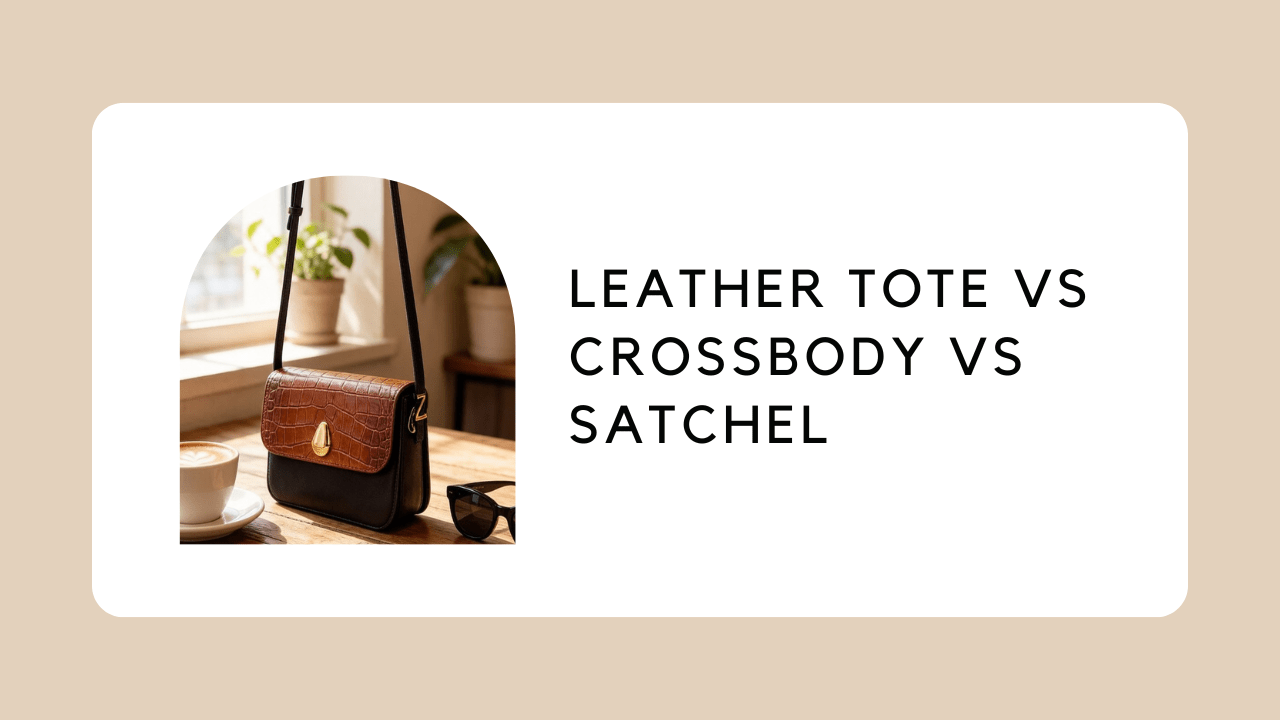
Кожаная сумка-тоут, сумка через плечо или портфель: какой стиль выбрать?
Зайдите в любой магазин кожаных сумок, и вы увидите одни и те же три силуэта: сумка-тоут с открытым верхом, сумка через плечо, освобождающая руки, и структурированная сумка-мессенджер. Все они выгл...
Подробнее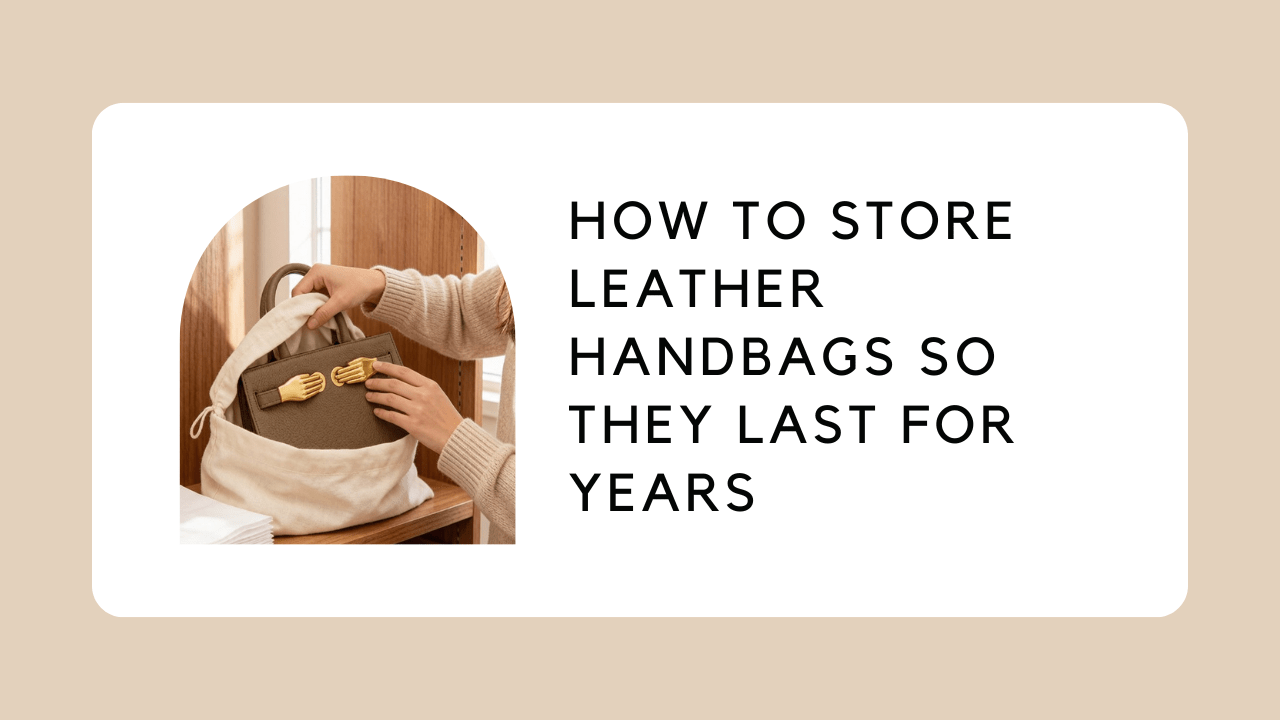
Как хранить кожаные сумки, чтобы они служили долгие годы.
Вот типичная ситуация, которую мы наблюдаем постоянно. Кто-то покупает красивую кожаную сумочку, бережно носит её один сезон, затем меняет её на летнюю и убирает «на хранение». Восемь месяцев спуст...
Подробнее
Как почистить и обработать кожаную сумку: пошаговое руководство из 6 шагов
Вы купили красивую кожаную сумочку. Возможно, это ваша первая настоящая сумка. И теперь она стоит на полке с едва заметным пятном от воды возле застежки, и вы боитесь к ней прикасаться, потому что ...
Подробнее
