

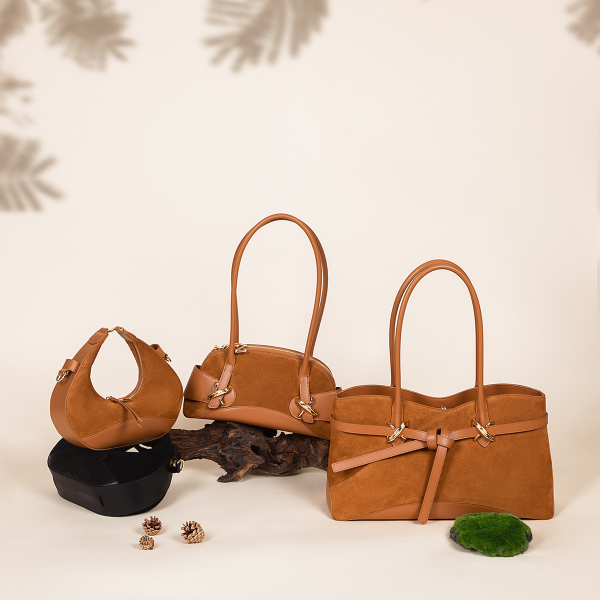
Article: How to Tell If a Leather Bag Is Real: 7 Tests You Can Do at Home
How to Tell If a Leather Bag Is Real: 7 Tests You Can Do at Home
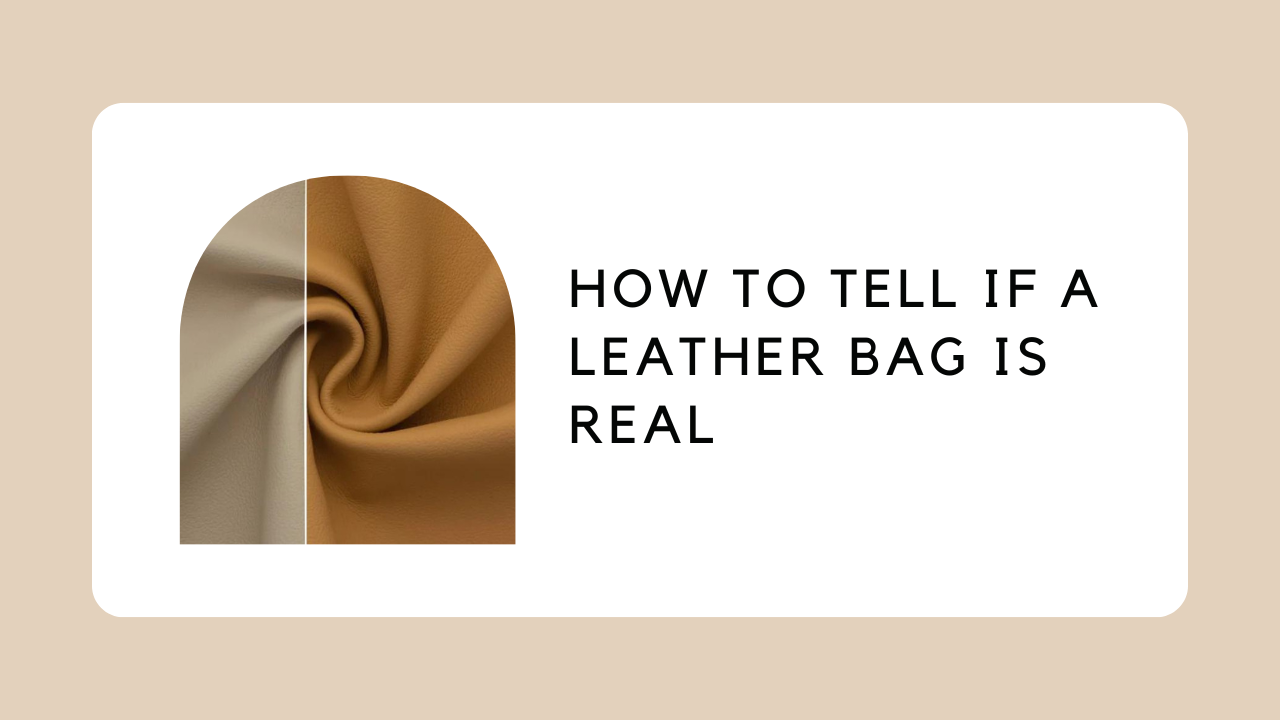
How to Tell If a Leather Bag Is Real: 7 Tests You Can Do at Home
You did everything right. Saved up, read the reviews, compared prices, and finally bought what the listing called a genuine leather handbag. Three months later, the corners are peeling and the surface is cracking like old plastic. It wasn't leather. It never was.
It happens way more often than you'd think. Between clever labeling, confusing terms like "bonded" and "vegan leather," and synthetics that keep getting better, telling real leather apart has become genuinely hard.
The good news? You don't need an expert, and you don't need special tools. Give yourself ten minutes and a drop of water, and you can run seven tests at home that will tell you, pretty confidently, whether your bag is the real thing.
We make leather handbags for a living, and these are the same checks our own craftsmen run on every hide that comes into the workshop. Here's how to check your bag, fastest first.

The 60-Second Version: All 7 Tests at a Glance
Bookmark this table or save the quick-reference chart to your phone before you shop.
| # | Test | Real leather | Fake leather (PU / synthetic) |
|---|---|---|---|
| 1 | Smell | Mild, earthy, slightly sweet | Chemical, plasticky, or heavy perfume |
| 2 | Touch & grain | Irregular pores, slightly rough, warm | Smooth, cool, repeating print pattern |
| 3 | Water | Drop soaks in slowly, darkens, fades back | Drop beads up, wipes clean |
| 4 | Press | Dent + darkening, fades in ~1 minute | No dent, or a permanent crease |
| 5 | Edge / backing | Suede-like fibrous raw edge | Woven fabric backing or plastic core |
| 6 | Stitching & hardware | Dense even stitches, solid hardware | Loose stitches, lightweight plated metal |
| 7 | Label & price | Says "leather," realistic price | PU / vegan / bonded + too-good price |

Why There's So Much Fake "Leather" Out There
Ten years ago, fake leather was easy to spot. It looked shiny and it looked cheap. Today, manufacturers have gotten very good at making synthetics that mimic the real look. The problem is usually not the material itself but the words used to sell it.
"Vegan leather" sounds premium. It's usually polyurethane (PU) or PVC. In other words: plastic. "Bonded leather" sounds like real leather. It's actually a thin sheet of leftover leather fibers (about 10–20%) mixed with polyurethane and pressed together. Looks great for a season or two. Then it peels.
Even the term "genuine leather" is slippery. Under US FTC rules, it has to be actual leather. But here's the catch: within the real-leather hierarchy, genuine leather sits at the bottom. Full-grain is the top grade, top-grain comes second, and genuine brings up the rear. So a bag can honestly say "genuine leather" and still be a pretty poor product.
Which is exactly why reading the label is never enough. You need to test the bag.
Test 1 — The Smell Test

Unzip the bag and get your nose inside, near the zipper tape and the lining seams. That's where the smell is strongest.
Real leather smells mild and earthy, with a slightly sweet, woody note. Subtle. Good leather doesn't shout.
A fake, meanwhile, tends to smell chemical and plasticky. Or it smells strongly of perfume, because someone sprayed it to hide the plastic underneath.
Pro tip: a bag that smells strongly "of leather" is actually a red flag. Real leather is quiet. If you're not sure, compare it to something you trust, like an old leather belt or jacket you've had for years.
Test 2 — The Touch & Texture Test

Run your fingertips across the surface, then zoom in on the grain with your phone camera.
Real leather feels slightly rough and warms up under your hand. Its pores are irregular, too, no two areas look the same, because hides are natural products.
Fake leather feels smooth and cool, and the grain pattern repeats like wallpaper. That's because it's pressed from a mold.
Pro tip: check the less obvious panels, inside pockets, under the flap, along the sides. Makers apply less finish there, so the differences are easier to feel. A bag that looks great on the front but feels like plastic on an inside panel is telling you something.
Test 3 — The Water Test

Put a single drop of water on an inconspicuous spot, like the underside of the strap or inside the flap, and wait a minute or two.
On real leather, the drop soaks in slowly. The leather darkens where the water sits, then fades back as it dries. Leather is porous; it drinks moisture.
On fake leather, the drop beads up and just sits there. Wipe it away and the surface looks exactly as it did before.
Two cautions. First, leather with a heavy protective coating (common on cheaper "corrected grain") can resist water at first, which is why this test works best alongside the others. Second, only test a bag you own. A drop of water won't hurt real leather, but don't go experimenting on expensive bags that belong to someone else.
Test 4 — The Press Test

Press your thumbnail firmly into the surface for about ten seconds, then watch what happens.
Real leather will show a slight dent, and the pressed spot darkens a little. That's your finger's moisture being absorbed. Within about a minute, the dent fades and the color returns.
Fake leather does one of two things: nothing at all (hard PU won't dent), or a permanent crease (thin PU creases and stays creased). No darkening, because nothing gets absorbed.
Real leather breathes and recovers. Plastic doesn't. Watching that mark fade back in real time is one of the most satisfying, and reliable, signs you're holding the real thing.
Test 5 — The Edge & Backing Test (The Most Reliable)

Find an unfinished edge. Good spots: the inside of the bag where the lining meets the leather, the raw edge under the flap, or around an interior pocket.
Real leather's raw edge looks and feels like suede, soft, napped, fibrous. Tear it gently and you'll see interwoven fibers, not one flat layer.
Fake leather usually has a woven fabric backing, cotton or knit, glued onto plastic. Or the whole edge is uniform plastic with no fiber structure to speak of.
This is the most reliable test because fakes rarely bother with raw edges. A synthetic bag can copy the outside look, but reproducing that fibrous suede edge takes a genuinely different material.
One note: some bags are made from "split" leather, the inner layer of a hide, often finished to look smooth. Split leather is still real leather, just thinner and less durable than full-grain. The edge check still works either way, you're looking for real fibers.
Test 6 — The Stitching & Hardware Test

Look closely at the stitching, then pick up the hardware, the zipper pull, the buckles, the feet on the bottom.
On a quality bag, stitching is dense (roughly eight to ten stitches per inch), even, and clean on both sides, with no loose threads. Hardware feels solid, and the engraving is crisp and deep.
On fakes, stitching tends to be loose, uneven, and sloppy near the seams. Hardware feels light and hollow, with shallow or blurry logos.
Caveat: craftsmanship varies from brand to brand, so don't let this test alone decide the verdict. But sloppy stitching plus feather-light hardware is a strong signal that corners were cut. And a fake leather bag is full of exactly that.
Test 7 — The Label, Price & Product Page Test

Read the label and the product page like a detective. These terms decide almost everything:
- Full-grain leather, the top grade. The whole hide, grain intact. Ages beautifully.
- Top-grain leather, second grade. The top layer is sanded smooth. Still excellent.
- Genuine leather, real leather, but the bottom of the real-leather ladder. Often thin, often coated.
- Bonded leather, 10–20% leather fibers mixed with polyurethane. Not solid leather. Skip it if you want durability.
- PU / vegan / faux leather, plastic. Full stop.
Price matters too. A quality full-grain bag rarely sells for under $100–150, and the good ones cost far more. But price alone proves nothing; a high price doesn't make a fake real.
Then look for transparency. Does the brand name the tannery? The country of production? The exact material? Brands that make real leather bags usually love talking about it. Vague labels and "leather-like materials" are red flags.
Want the deep dive on leather grades? Here's our full comparison of full-grain vs top-grain vs bonded leather.
Bonus — 5 Red Flags When Shopping Online

Before you buy, scan the product page for these five warning signs:
- Only studio renders or heavily filtered photos, with no close-ups of the grain or raw edges.
- "Vegan leather" sold as a premium feature. It's plastic.
- "Full-grain leather" at a bargain price. Real full-grain costs real money.
- No material breakdown, tannery info, or country of origin.
- Reviews that keep mentioning a plastic smell.
Spot two or more and walk away. There are thousands of honest bags out there waiting for you.
What Should You Buy Instead?
So you tested your bag, and maybe it failed. Now what?
If you want a bag that lasts decades, go full-grain or top-grain. Before you buy, ask the seller three questions: What exactly is it made of? Where is it tanned and made? Can you show close-ups of the edges and grain?
On a tight budget? A well-made genuine-leather bag still outlasts PU by a wide margin. Just know what you're buying, the grade matters, and honest sellers will tell you.
At ZORNNA, every handbag we make is full-grain leather from traceable tanneries. Every bag ships with a leather certificate, and our craftsmen run tests like these on every incoming hide. That's not a marketing story; it's how we make sure you never have to wonder if your bag is real.
Shop Full-Grain Leather BagsP.S. Want the whole checklist? Grab our free Ultimate Leather Bag Buying Guide and take it shopping with you.
Frequently Asked Questions
Is genuine leather real leather?
Yes, genuine leather is real leather. It's just the lowest grade in the real-leather hierarchy, below top-grain and full-grain. It's often thinner and coated to hide imperfections.
Does real leather absorb water?
Usually, yes. Unfinished leather slowly absorbs water, darkens where the drop lands, then dries back. Materials that bead up and wipe clean are usually coated or synthetic.
Does real leather smell like leather?
Real leather has a mild, earthy, slightly sweet scent. A strong chemical smell, or heavy perfume meant to cover it, points to synthetic material.
How can you tell if a leather bag is fake?
Combine the seven tests above: smell, touch, water, press, raw edges, stitching, and label. If two or more fail, the bag is very likely not real leather.
Is bonded leather real leather?
No. Bonded leather is about 10–20% leather fibers mixed with polyurethane. It's not solid leather, and it peels long before real leather wears out.
How much should a real leather handbag cost?
A decent full-grain leather bag rarely costs under $100–150. Prices below that are a red flag, but remember, a high price alone doesn't prove the leather is real.
Final Verdict: Your Scorecard
Run all seven tests, then count your passes:
- 5 or more pass, almost certainly real leather.
- 3–4 pass, get a second opinion from a professional leather cleaner or repair shop.
- Fewer than 3 pass, it's most likely synthetic. Keep your receipts and consider your options.
One last thought. Knowing how to spot real leather isn't about being paranoid. It's about making sure the money you spend buys what the label promises. Test your bag tonight, ten minutes is all it takes. And when you're shopping for the next one, we'd love it to be a bag you never have to test at all.
 Author: Seuruyalvi - Chief Designer
My name is Seuruyalvi, as the chief designer at ZORNNA, I am responsible for overseeing the creative direction of the brand, from conceptualization to final product design.
Blog posts
How to Tell If a Leather Bag Is Real: 7 Tests You Can Do at Home
How to Tell If a Leather Bag Is Real: 7 Tests You Can Do at Home You did everything right. Saved up, read the reviews, compared prices, and finally bought what the listing called a genuine leather ...
Read more
【Vegetable-Tanned Cowhide】Water Stain on Your Leather Bag? ZORNNA’s Rain Rescue Guide
Why Does Water Leave Marks on Leather? One of the reasons women love ZORNNA's vegetable-tanned cowhide is its natural beauty. Unlike heavily coated leather, vegetable-tanned leather retains visible...
Read more
【Vegetable-Tanned Cowhide】Oil Stain on Your Favorite Bag? ZORNNA’s 10-Minute Rescue Guide
Dear sophistication-seekers, Picture this: You're enjoying lunch between meetings when a drop of salad dressing lands directly on your beloved ZORNNA bag. Your heart skips a beat. The good news? An...
Read more
