

Fullnarvet vs. toppnarvet vs. bonded: Hvilken er best for håndvesker?
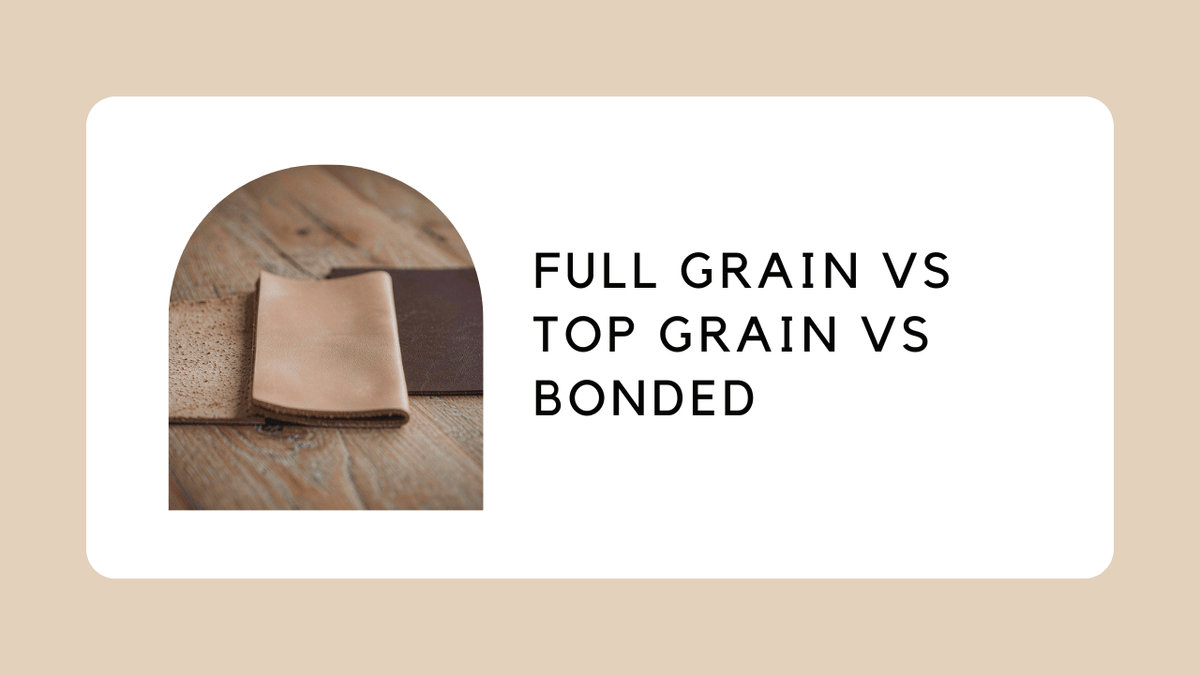
To håndvesker ligger side om side i nettleseren din. Begge har teksten «ekte skinn». Den ene koster 89 dollar, den andre 389 dollar. Og hvis du er som de fleste kunder, lukker du fanen mer forvirret enn da du åpnet den.
Saken er den. «Ekte skinn» er ikke ett materiale. Det er en familie, og innenfor den familien varierer kvalitetene mer enn folk flest tror. Både en fullnarvet veske og en veske i bundet skinn kan lovlig ha «ekte skinn» på etiketten, men den ene vil overleve deg, og den andre vil flasse av innen sin tredje bursdag.
I denne guiden skal vi gå gjennom hva som faktisk skiller fullnarvet skinn, toppnarvet skinn, ekte skinn og limt skinn, hva hver enkelt koster, hvordan hver enkelt eldes, og hvilken som fortjener pengene dine når du kjøper en veske. Vi lager skinnvesker for å leve, så vi hopper over markedsføringssløret og forteller deg hva garverifolket sier.

30-sekunders svar: Lærkvaliteter i korte trekk
Har du lite tid? Her er hele hierarkiet i én tabell. Resten av artikkelen forklarer hvorfor hullene er større enn de ser ut til.
| Karakter | Hva det egentlig er | Varighet | Prisnivå |
|---|---|---|---|
| Fullkorn | Topplaget av skinnet, urørt, narven intakt | Tiår | $$$ |
| Toppkorn | Topplaget, slipes glatt for å fjerne feil | 10+ år | $$ |
| Ekte | Ekte skinn, men bunnen av stigen i ekte skinn | Noen få år | $ |
| Bonded | 10–20 % lærrester limt med polyuretan | Skreller om 1–3 år | Kuppbøtte |
Hvorfor lær i det hele tatt har karakterer

For å forstå karakterene, se for deg et tverrsnitt av kuskinn. Det øverste laget, den delen som utførte alt det levende, kalles kornDen er tett, stram og sterk, fordi den var dyrets første forsvarslinje mot vær og riper. Under den sitter dele, et løsere, mer uklar lag som aldri ble utsatt for elementene.
De beste skinnene, de med få arr og tett narv, blir til fullnarvet lær nesten uten bearbeiding. Skinn med flere merker slipes ned for å bli toppnarvet. De løsere, splittede lagene belegges og stemplet for å se ut som ekte lær, og det er der «ekte lær» i sin billigste form kommer fra. Eventuelle rester som er igjen, blir revet i stykker, blandet med lim og rullet til ark med limt lær.
Ett skinn, fire svært forskjellige produkter. Og bare markedsføringen høres lik ut.
Fullnarvet lær: Gullstandarden

Fullnarvet er hele det øverste laget av skinnet, der narvoverflaten er helt intakt. Ingen sliping, ingen polering, ingen korrigeringer. Hvis kua hadde en ripe fra et gjerde, vil du se et svakt spor av den ripen i vesken din.
Det høres ut som en feil, men det er det motsatte. Fordi narven aldri har blitt ødelagt, forblir fiberstrukturen i full styrke, og det er derfor fullnarvet læret er det mest slitesterke læret du kan kjøpe. Og over årene utvikler det seg patina, en myk glans og en dypere farge som gjør at vesken ser bedre ut i tiår enn den gjorde på dag én. Billig skinn eldes. Fullnarvet skinn modnes.
Avveiningene? Fullnarvet koster mest, siden bare de beste 10–20 % av skinnene kvalifiserer. Det starter med å være stivere, og det trenger sporadisk behandling for å holde seg best mulig. Hvis du vil ha en veske som ser fabrikkperfekt ut for alltid, er ikke dette det. Hvis du vil ha en veske som blir helt din egen, er det det.
Best for: en hverdagsveske du planlegger å beholde (og kanskje gi videre). Vesken du kjøper én gang.
Toppkornet skinn: Den polerte andreplassen

Toppfibrene starter som det samme topplaget, men overflaten slipes lett for å fjerne arr og ujevnheter, og deretter avsluttes med et tynt lag. Resultatet er glattere, mer ensartet og litt tynnere enn fullfibrene.
Dette er læret du finner i de fleste mellomklasse- og mange eksklusive designervesker, og ærlig talt er ikke det noen skandale. Sliping koster deg litt holdbarhet, siden det svekker de ytterste fibrene, og patinaen utvikler seg saktere og mer subtilt. Til gjengjeld får du en veske som er lettere, mykere fra dag én, og mer motstandsdyktig mot vann og flekker takket være finishen.
Tenk på det slik: fullkorn er den rå diamanten, toppkorn er den slipte og polerte. Begge er diamanter. Den ene hadde bare mer inngrep.
Best for: noen som ønsker et raffinert, ensartet utseende og mindre vedlikehold, uten å falle til de laveste karakterene.
Ekte lær: Begrepet som lurte alle

Det er her ordene gjør det tunge løftet. «Ekte skinn» høres ut som et løfte om kvalitet. Det er faktisk en teknisk påstand: ja, dette er ekte skinn. Det er alt det lover.
I praksis er de fleste produktene som markedsføres som ekte lær laget av de lavere kvalitetslagene i skinnet, kraftig slipt for å fjerne alle naturlige merker, deretter stemplet med et kunstig naringsmønster og forseglet under et tykt lag med pigment. Se nøye etter, og «porene» gjentar seg i et mønster, fordi de er trykt, ikke dyrket.
Den er fortsatt i ekte skinn, og en godt laget veske i ekte skinn vil vare lenger enn syntetisk skinn. Men den vil ikke utvikle skikkelig patina, belegget kan sprekke over år med bøying, og den er vanligvis tynnere. Når en veske til 60 dollar roper «EKTE LÆR» i gullfolie, er det den kvaliteten den er stolt av.
Best for: stramme budsjetter, eller stiler du ikke forventer å beholde i et tiår. Bare ikke betal dyre priser for det.
Limt lær: Ikke egentlig lær i det hele tatt

Limt lær er for lær det samme som sponplater er for eik. Det lages ved å makulere lærrester og rester av fibre, blande dem med polyuretanbindemiddel og rulle pastaen til ark. Lærinnholdet er vanligvis 10–20 %. Resten er plast og lim.
Ferskt ut av esken ser limt skinn overbevisende ut. Gi det ett til tre år med sollys, friksjon og daglig bøying, og bindemiddelet brytes ned. Overflaten begynner å flasse i kantene, deretter flasses det av ark og sprekker. Det er ingen behandling som skal til for å komme seg ut av det, fordi det ikke er noe igjen å behandle.
Juridisk sett kan merkevarer ofte beskrive produkter med bindingsverk som «laget av ekte lær», noe som teknisk sett er sant og praktisk talt misvisende. Hvis du ser en veske i «skinn» under 60 dollar, eller en sofa i «skinn» til en mistenkelig pris, er bindingsverk nesten alltid løsningen.
Best for: ingenting, hvis du bryr deg om holdbarhet. Vi sa at vi skulle droppe alt loet.
Ansikt til ansikt: Sammenligningen som betyr noe

| Faktor | Fullkorn | Toppkorn | Ekte | Bonded |
|---|---|---|---|---|
| Realistisk pris (pose) | 250 dollar+ | 120–300 dollar | 50–120 dollar | Under 60 dollar |
| Forventet levetid | 20+ år | 10–15 år | 3–7 år | 1–3 år |
| Hvordan den eldes | Patina, ser bedre ut | Langsom, subtil patina | Belegget slites, mattes | Skreller og sprekker |
| Føl deg på dag én | Fast, teksturert | Glatt, smidig | Belagt, ensartet | Tynn, plastisk |
| Nødvendig omsorg | Tilstand 2 ganger/år | Tilstand 1x/år | Tørk av | Ingenting hjelper |
Så hvilken bør vesken din være?
Tre ærlige svar, avhengig av deg:
Hvis du vil ha én veske for det neste tiåret: fullkorn, punktum. Det er den eneste kvaliteten som belønner tid i stedet for å kjempe imot den. Kjøp den stivere posen på dag én, kondisjoner den to ganger i året, og innen år tre vil den passe hånden din som om den var laget for den. Fordi det var den.
Hvis du roterer vesker med antrekkene dine: Toppgrain gir mye mening. Det er lettere, mykere fra starten av, tåler regn bedre, og du stresser uansett ikke en eneste pose daglig. Du gir avkall på litt levetid for mye bekvemmelighet.
Hvis budsjettet er skikkelig stramt: En godt konstruert veske i ekte skinn slår enhver syntetisk veske til samme pris, og det er en god avtale. Bare kjøp den med visshet om hva det er, sjekk sømmene og fôrkvaliteten, og forvent år, ikke tiår.
Og med binding? Gå din vei. En bindingspose til 50 dollar som du bytter ut annethvert år koster mer enn én fullkornspose til 300 dollar som oppbevares i tjue år.
Uansett hva du velger, ikke stol på etiketten. Vi har satt sammen syv hjemmetester for å skille ekte lær fra falskt, og spesielt råkantsjekken vil eksponere en bundet pretender i løpet av sekunder.

På ZORNNAVi jobber kun med fullnarvet lær fra sporbare garverier, fordi vi heller vil forklare en høyere pris én gang enn å beklage at vi løsner kantene for alltid. Hver veske leveres med et lærsertifikat som angir kvaliteten, og våre håndverkere inspiserer hvert skinn før et eneste sting blir sydd.
Kjøp vesker i fullnarvet skinnP.SUsikker på hvor du skal begynne? Vårt gratisprogram Den ultimate kjøpeguiden for skinnvesker går gjennom budsjett, stil og stell i én sjekkliste.
ofte stilte spørsmål
Er fullnarvet skinn verdt de ekstra pengene?
For en veske du bruker regelmessig, ja. Fullnarvet materiale varer vanligvis i over 20 år og utvikler patina i stedet for å bli slitt, så kostnaden per år er ofte lavere enn billigere kvaliteter. For modeller som brukes sporadisk kan toppnarvet materiale være det smarteste alternativet.
Er toppnarvet lær god kvalitet?
Veldig. Det er den nest høyeste kvaliteten, laget av det samme topplaget av skinnet, bare slipt glattere. De fleste premium designervesker bruker toppnarving. Du bytter litt holdbarhet og patina for en lettere, mer jevn finish.
Hva er forskjellen mellom ekte skinn og fullnarvet skinn?
Begge er ekte lær. Fullnarvet er den beste kvaliteten, den uberørte overflaten av skinnets sterkeste lag. «Ekte lær» refererer vanligvis til lag av lavere kvalitet, slipt og kraftig belagt. Det er det nederste trinnet på stigen av ekte lær.
Hvor lenge varer bundet lær?
Vanligvis ett til tre år. Bonded leather er 10–20 % lærfibre bundet i polyuretan, og når bindemidlet brytes ned av sollys og bøying, flasser overflaten av og sprekker. Det kan ikke gjenopprettes.
Riper fullnarvet skinn lett?
Den viser riper, fordi den naturlige overflaten ikke er dekket av et tykt lag. Men de fleste lette merkene gnis ut med fingertuppens naturlige oljer eller litt balsam, og over tid blander de seg med patinaen.
Hvilket skinn er best til en veske?
Fullnarvet for en vesk som skal brukes til hverdags, toppnarvet for et lettere alternativ som krever mindre vedlikehold, godt laget ekte skinn til et stramt budsjett, og aldri limt. Velg basert på hvor lenge du planlegger å beholde vesken.
Konklusjonen
Lærkvaliteter er ikke snobberi, det er fysikk. Det intakte narvlaget er rett og slett det sterkeste materialet et skinn kan gi deg, og hvert trinn ned stigen bytter bort struktur, først litt, så mye, så alt.
Så neste gang to vesker av «ekte skinn» ligger side om side til vidt forskjellige priser, vil du ikke bli forvirret. Du vil vite nøyaktig hva som har endret seg mellom dem, og du vil vite hvilken som fortjener pengene dine.
 Author: Seuruyalvi - Chief Designer
My name is Seuruyalvi, as the chief designer at ZORNNA, I am responsible for overseeing the creative direction of the brand, from conceptualization to final product design.
Blogginnlegg
Skinnveske vs. crossbody vs. satchel: Hvilken stil bør du kjøpe?
Gå inn i en hvilken som helst skinnveskebutikk, og du vil se de samme tre silhuettene stirre tilbake på deg: den åpne tote-vesken, den håndfrie crossbody-vesken og den strukturerte vesken. De ser a...
Les mer
Slik oppbevarer du lærvesker slik at de varer i årevis
Her er et mønster vi ser hele tiden. Noen kjøper en vakker skinnveske, bruker den forsiktig i en sesong, bytter den ut for sommeren og legger den «vekk». Åtte måneder senere åpner hun skapet, og ve...
Les mer
Slik rengjør og behandler du en veske i skinn: 6-trinns guide
Du kjøpte en fin skinnveske. Kanskje det er den første ordentlige du har eid. Og nå står den i hyllen din med en svak vannflekk nær låsen, og du er redd for å ta på den, fordi du har hørt skrekkhis...
Les mer
