跳到内容

购物车

您的购物车是空的

文章: How to Store Leather Handbags So They Last for Years

How to Store Leather Handbags So They Last for Years

How to Store Leather Handbags So They Last for Years

Here's a pattern we see all the time. Someone buys a beautiful leather handbag, uses it carefully for a season, then swaps it out for summer and puts it "away." Eight months later she opens the closet and the bag has a crease folded into the flap, the color has faded on one side, and the leather feels as dry as old cardboard.

Nothing happened to that bag. Nothing is exactly the problem. Daily use isn't what kills most leather bags — bad storage is. A bag that's worn every day gets handled, noticed, and cared for. A bag in storage gets forgotten, and leather doesn't handle being forgotten well.

The fix takes about ten minutes per bag. Here's the routine we give our own customers, plus the short list of storage mistakes that do the real damage.

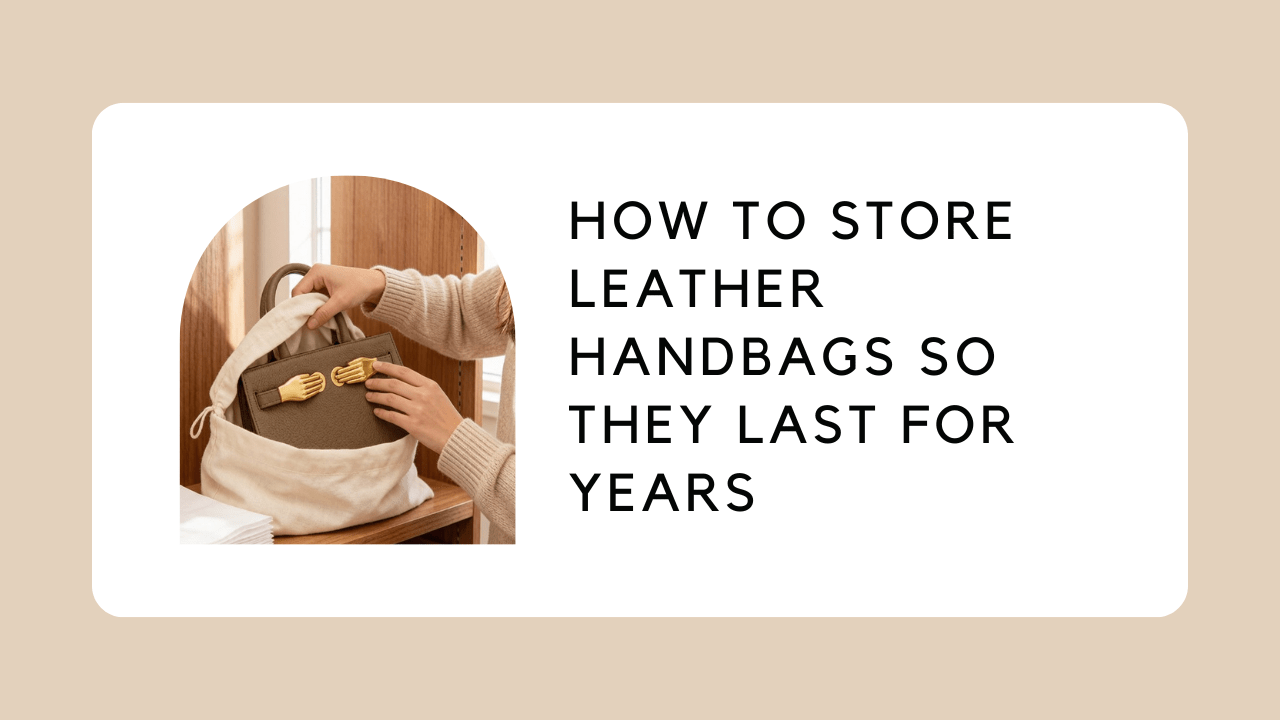
brown leather handbag on a wooden closet shelf beside its cotton dust bag

Why Storage Ruins More Bags Than Daily Use

Leather is skin. It was skin on the animal, and it still behaves like skin now: it needs air, a little moisture, and room to hold its shape. Stored wrong, five things attack it at once:

Enemy What it does Where it hides
Dust Settles into the grain and stitching, dulls the finish Open shelves, unused closets
Dryness Pulls the oils out until the leather cracks Near radiators, heating vents, dry winter air
Moisture Feeds mold and mildew inside and out Basements, humid closets, sealed plastic
Sunlight Fades and bleaches the dye, often on one side only Window-adjacent shelves, glass cabinet doors
Gravity Creases slumped leather and bends hardware Hooks, flattened piles, crushed boxes

Notice what's not on the list: using the bag. The five enemies all attack bags that are sitting still. That's why the routine below is less about "putting away" and more about putting the bag somewhere it can sit out a long rest without deteriorating.

What You'll Need

Nothing expensive. You probably own everything already:

  • Acid-free tissue paper (or clean white cotton t-shirts) — for stuffing
  • A cotton dust bag or pillowcase — one per bag
  • A cool, dark shelf with air movement around it
  • A soft brush — for the wake-up routine later
  • Silica gel sachets — only if your closet is genuinely humid

One thing you don't need: a can of leather spray, a UV cabinet, or any gadget. Storage is about position and material, not products.

emptying the pockets of a leather handbag before storing it

Step 1: Empty Every Pocket (and We Mean Every)

Start by emptying the bag completely — pockets, zip compartments, the card slots, that secret slip behind the lining. Pens leak. Loose coins wear dark rings into the lining. A forgotten lipstick can melt into the piping and stain through to the outside of the bag.

Check twice. The most common storage casualty we see is a ballpoint pen that spent a summer inside a flap pocket and left a grease ghost on the lining that no cleaner will fully lift.

While you're in there, flip the lining out if it's detachable and shake it free of crumbs and dust. Lining wear is invisible while the bag is in use and impossible to miss when you pull it out months later.

Step 2: Clean It Before It Goes Away

Never store a bag dirty or damp. Dust left on the surface for months works itself into the grain, and any trace of moisture gets sealed in with the bag — which is how mold starts.

Give the bag a quick once-over: brush out the seams, wipe it down with a barely-damp cloth, and let it air dry fully. If the leather is feeling dry or the bag is going into long storage for a season or more, add a light conditioning pass first — the oils protect the leather through the dry months. We've written the full routine, including the patch test, in how to clean and condition a leather handbag.

wiping a leather handbag with a soft cloth before storing it

Step 3: Stuff It to Keep Its Shape

An empty bag slumps. Slumped leather creases, and creases that sit for months become permanent press lines — especially at the flap fold and the base corners. Stuffing is what keeps the bag the shape you bought.

Use acid-free tissue paper, loosely crumpled. Fill the main body until the bag holds its natural form — firm enough that the sides don't cave in, soft enough that you can still press it an inch with your hand. Never use newspaper (the ink transfers) and never stuff so tight that you stretch the seams or stress the zipper.

For structured bags with a rigid frame, a light stuffing is still worth it: it supports the lining and keeps the interior from sagging away from the shell.

stuffing a leather handbag with acid-free tissue paper to keep its shape

Step 4: Set Straps and Hardware to Rest

Buckle the strap to its normal length, coil chains gently on top of the stuffing, and wrap thin shoulder straps in a little tissue so they don't press lines into the leather beneath them. Any metal hardware that touches the leather — locks, d-rings, chain ends — gets a tissue layer between it and the bag.

The reason is pressure. Hardware left pressing against bare leather for months can leave dark contact marks and even tarnish-print onto pale leather. Thirty seconds of tissue now saves a professional cleaning later.

leather handbag strap buckled and wrapped in tissue in resting position

Step 5: The Dust Bag Rule — Cotton In, Plastic Out

This is the single most broken rule in bag storage. Every bag goes into a breathable cover: the cotton dust bag it came with, or a clean cotton pillowcase if it didn't come with one.

Plastic is the enemy, including the "free" plastic dust cover many brands ship. Plastic seals moisture in, blocks the air leather needs, and in warm closets it can even cause the finish to stick or cloud. If you must use the plastic cover for travel, take it off the moment the bag gets home.

A dust bag does three jobs: it blocks dust, it lets the leather breathe, and it protects the surface from scuffs against neighboring bags. If the bag has hardware or embellishments on the outside, turn the dust bag's softest side to face them.

leather handbag being placed inside a plain cotton dust bag

Step 6: Shelf, Not Hook

Store the bag upright, on a shelf, the way it would stand on a store display. Never hang a leather bag by its strap — months of hanging pulls the strap, stretches the attachment points, and can permanently curl the handle. Gravity is patient.

Give each bag a few inches of space on both sides so they're not leaning on each other. If you must stack smaller bags, put the lightest on top and never stack anything on a structured frame bag. Drawers work too, as long as the bag fits without folding and the drawer isn't airtight.

leather handbags stored upright in dust bags on a ventilated closet shelf

Step 7: Pick the Right Spot

The best storage spot in most homes is a closet shelf away from the window, away from a radiator or heating vent, and not against an exterior wall that gets damp. Dark, cool, and gently ventilated is the whole formula.

Two places to rule out completely: attics and basements. Attics swing from freezing to baking with the seasons and often sit in direct sun — dry-rot factories. Basements collect humidity — mold factories. A bedroom closet beats both by a mile.

In genuinely humid climates (think coastal summers), add a silica gel sachet near the bags and check them monthly for the first signs of mildew — a musty smell or white bloom in the seams. In dry, heated winters, a light conditioning pass in spring puts back what the heating season took out.

Step 8: Wake It Up Every Few Months

Leather in storage shouldn't be ignored. Every three or four months, take the bag out, pull the old stuffing, and give it five minutes: a soft brush over the seams, a look at the corners, a feel of the leather. Is it dry? Stiff? Any smell? Catch any of those early and the fix is a quick conditioning pass — catch them years later and the fix is a restoration bill.

Restuff with fresh tissue (old tissue holds moisture it pulled from the air) and put the bag back. This whole check takes less time than brewing a coffee, and it's the difference between a bag that's "away" and a bag that's slowly dying in the dark.

checking a stored leather handbag for dryness and restuffing it with fresh tissue

Quick Reference: The Storage Checklist

Step Do this Because
1 Empty every pocket Leaks and stains set in storage
2 Clean and fully dry Sealed-in moisture breeds mold
3 Stuff with tissue Slumped leather creases permanently
4 Wrap straps and hardware Metal leaves contact marks
5 Cotton dust bag Leather needs to breathe
6 Upright on a shelf Hanging stretches straps
7 Dark, cool, ventilated Sun fades, heat dries, damp molds
8 Check every 3–4 months Early fixes are cheap fixes

The "Never Do This" List

Five mistakes account for almost every storage casualty we've seen come back through our workshop:

  1. Storing in plastic. Sealed plastic traps moisture and suffocates the leather. Cotton only.
  2. Hanging by the strap. Months of gravity stretch the strap and curl the handles. Shelf only.
  3. Attics and basements. Temperature swings, sun, and humidity — the three worst storage conditions, in two convenient rooms.
  4. Stuffing with newspaper. Ink transfers onto light lining, and newsprint holds damp. Acid-free tissue costs almost nothing.
  5. Storing dirty. Dust grinds in, invisible stains darken, and everything gets harder to fix the longer it sits.

If you take only one rule from this article, make it the first one. The plastic-versus-cotton mistake alone ruins more bags than the other four combined.

What About Travel and Short-Term Storage?

For a weekend or a business trip, the same rules apply in miniature: empty the bag before you pack it, stuff it with a t-shirt inside your suitcase so it doesn't get crushed, and take it out of the plastic travel cover when you arrive. Hotel closets are usually fine for a few days — they're dark and temperature-stable.

The one travel-specific risk is the car. A bag left on a back seat in summer sun can hit 60°C+ in an hour: enough to dry the leather, warp adhesives, and fade the dye. Take the bag with you or stow it under the seat, out of the light.

A Bag Worth Storing Properly

Storage is where a good bag quietly becomes a great one. The customers whose bags look stunning at year ten aren't doing anything heroic — they're doing the ten-minute routine above, twice a year, without fail.

If you're starting that kind of collection, start with leather that deserves the care. Every ZORNNA handbag is cut from full-grain leather — the grade that ages best and rewards proper storage with a patina that cheaper leather can never develop. Not sure what full-grain means or how to spot it? Read our comparison of full grain, top grain, and bonded leather, or start with the complete leather bag buying guide. And if you're still deciding whether that bag in your closet is worth the effort, our seven at-home tests for real leather will settle it in ten minutes.

Browse the full collection at ZORNNA handbags — and store them well. They'll outlast the closet.

FAQ: Storing Leather Handbags

Should I store my leather handbag in its original box?

A rigid box can work for short-term storage if it's kept in a cool, dry place — but the bag still needs to be stuffed, wrapped in cotton (not left bare in the box), and the box shouldn't be sealed airtight. A shelf with a dust bag allows better air circulation than a closed box.

Can I store leather bags in a plastic bin?

Only if the bin stays open or loosely lidded and the bags are each in their own cotton dust bag. A sealed plastic bin traps humidity and is a common cause of mildew. If you use bins for organization, drill a few ventilation holes or leave the lid resting loosely, and add a silica gel sachet in humid rooms.

Do I really need to stuff my bag?

If the bag will be stored for more than a few weeks, yes. Unstuffed bags slump under their own weight, and the creases that form over months — especially at flaps and base corners — can become permanent. Tissue stuffing takes a minute and prevents the most visible storage damage.

How do I store leather bags in a humid climate?

Cotton dust bags, silica gel sachets near (not touching) the bags, and a monthly mildew check. Never store bags against exterior walls or in rooms that smell damp. If mildew does appear — a musty smell or white bloom — wipe it off with a barely-damp cloth, dry the bag fully in shade, and move it somewhere with better airflow.

Is it better to hang bags or keep them on a shelf?

Shelf, always. Hanging a leather bag by its strap for months stretches the strap, stresses the attachment points, and can curl the handles permanently. Stand the bag upright with light tissue stuffing, the way it would sit on a store display.

How often should I check bags in long-term storage?

Every three to four months. Pull each bag out, brush the seams, feel the leather, and restuff with fresh tissue. Five minutes per bag catches dryness, mold, and creasing while they're still cheap to fix — and it reminds you what you own, which is half the fun of a collection.

Related guides: How to Clean & Condition a Leather Handbag · Full Grain vs Top Grain vs Bonded Leather · How to Tell if a Leather Bag Is Real · The Leather Bag Buying Guide

Author: Seuruyalvi - Chief Designer Author: Seuruyalvi - Chief Designer
My name is Seuruyalvi, as the chief designer at ZORNNA, I am responsible for overseeing the creative direction of the brand, from conceptualization to final product design.

博客文章
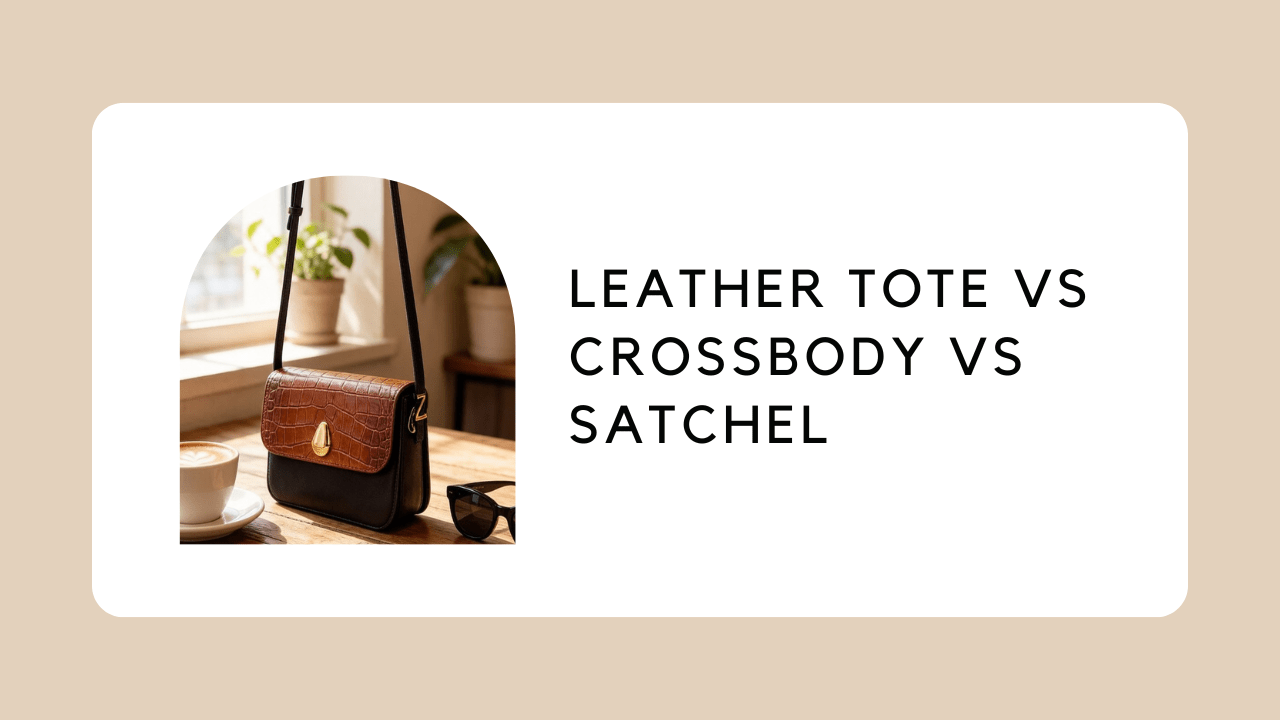
Leather Tote vs Crossbody vs Satchel: Which Style Should You Buy?

Leather Tote vs Crossbody vs Satchel: Which Style Should You Buy?

Walk into any leather bag shop and you will see the same three silhouettes staring back at you: the open-mouthed tote, the hands-free crossbody, and the structured satchel. They all look beautiful,...

阅读更多
How to Store Leather Handbags So They Last for Years

How to Store Leather Handbags So They Last for Years

Here's a pattern we see all the time. Someone buys a beautiful leather handbag, uses it carefully for a season, then swaps it out for summer and puts it "away." Eight months later she opens the clo...

阅读更多
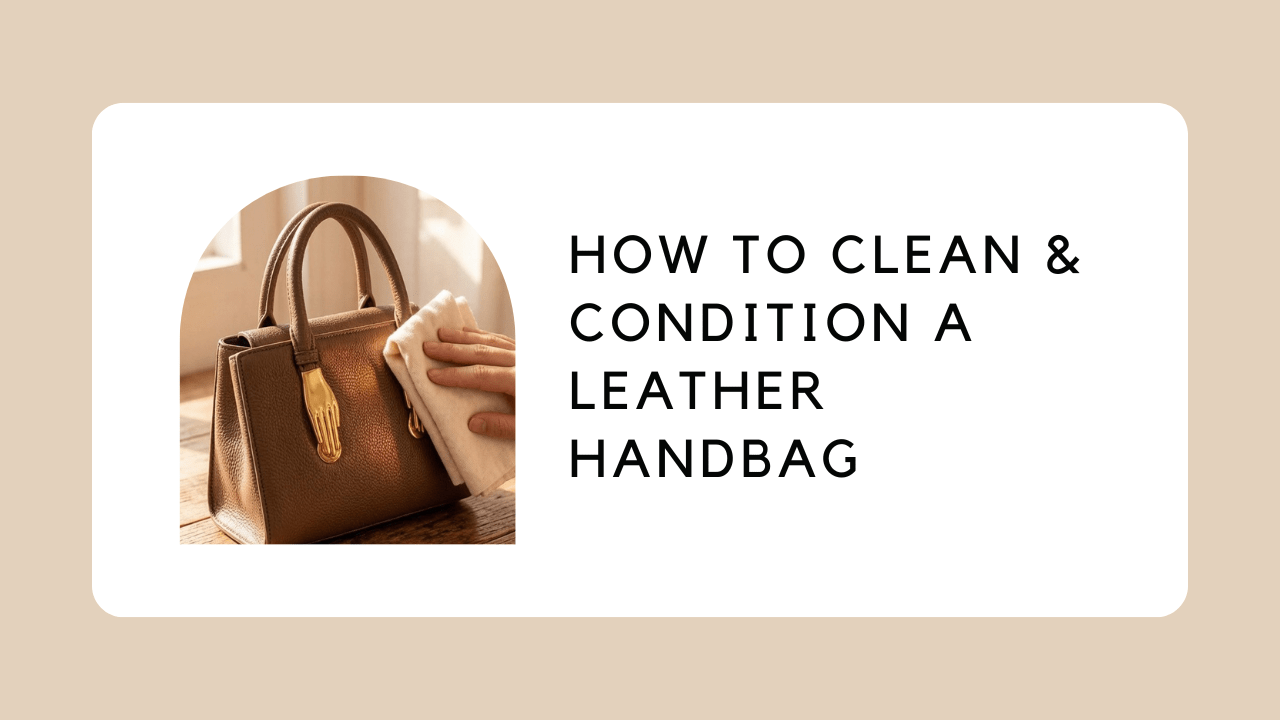
How to Clean & Condition a Leather Handbag

How to Clean & Condition a Leather Handbag: 6-Step Guide

You bought a nice leather handbag. Maybe it's the first real one you've owned. And now it sits on your shelf with a faint water stain near the clasp, and you're scared to touch it, because you've h...

阅读更多